Understanding Push Button and Trip Time Testing
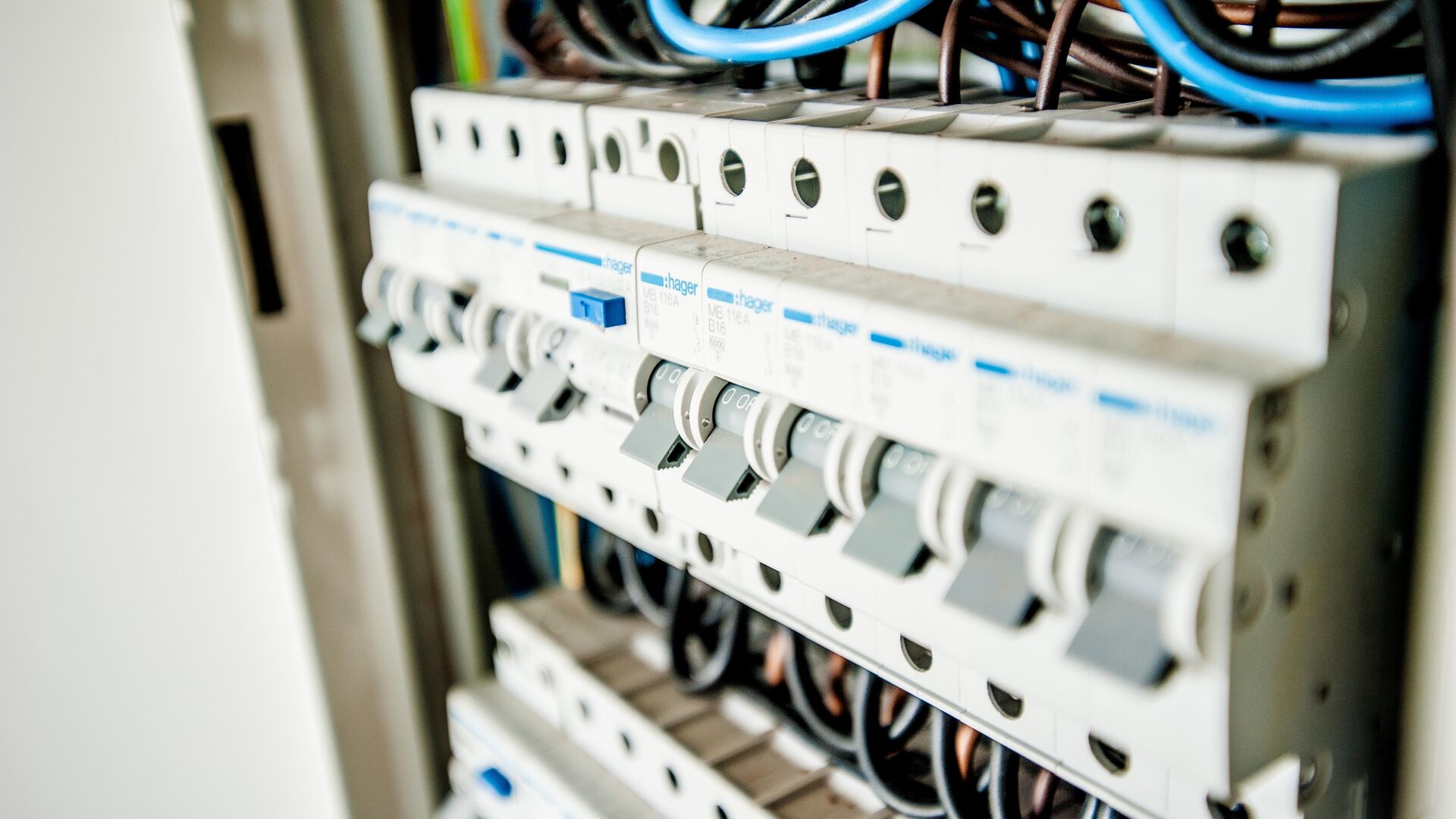
What is an RCD?
Residual Current Devices (RCDs), commonly referred to as safety switches, are critical electrical safety devices used across Australia to protect people from electric shock and reduce the risk of electrical fires.
An RCD is a safety device designed to monitor the flow of electrical current through a circuit. It continuously compares the current in the active and neutral conductors. If an imbalance is detected—indicating leakage to earth—it automatically disconnects the power supply within milliseconds. This rapid disconnection significantly reduces the severity of electric shock and can prevent fatal incidents.
RCD Testing Requirements
RCD testing is governed primarily by the WHS Regulations 2012 (r165) and guidance on frequency is provided by AS/NZS 3760:2022 In-service safety inspection and testing of electrical equipment.
Key requirements include:
- Regular testing of RCDs in workplaces and certain residential environments
- Maintaining records of testing and results
- Ensuring testing is conducted by a competent person for formal tests
Typical testing intervals include:
- Push button testing: every 6 months (or more frequently for portable devices)
- Trip time testing: annually or every 2 years depending on the environment
Push Button Testing (User Test)
What is it?
Push button testing involves pressing the “T” or “Test” button located on the front of the RCD.
What does it check?
- Confirms the mechanical operation of the device
- Simulates a small leakage current internally
- Ensures the RCD switches off (trips) when activated
However, it is important to understand that:
- It does not verify the speed of operation
- It does not test the full electronic sensing capability
As a result, while push button testing is essential, it is considered a basic functional check only.
Who can perform it?
- Can be completed by a competent person or user
- No specialised equipment is required
Testing frequency
- Fixed RCDs: typically every 6 months
- Portable RCDs: before use or at more frequent intervals depending on the environment
Trip Time Test (Instrument Test)
What is it?
Trip time testing is a formal electrical test performed using specialised RCD testing equipment. It measures the actual time (in milliseconds) it takes for the RCD to disconnect power under fault conditions.
What does it check?
- Confirms the RCD trips within required time limits
- Verifies compliance with Australian Standards
- Ensures the device will operate quickly enough to prevent serious injury
Trip time is critical because the duration of electric shock directly impacts injury severity.
Maximum trip times (AS/NZS 3760)
- Type I (10 mA): ≤ 40 milliseconds
- Type II (30 mA): ≤ 300 milliseconds
If an RCD exceeds these limits, it is considered non-compliant and must be replaced or repaired.
Who can perform it?
- Must be conducted by a licensed electrician or competent tester
- Requires calibrated testing equipment
Testing frequency
- Typically annually in most workplaces
- May vary depending on risk level and environment
Why Both Tests are Necessary
Push button testing and trip time testing serve different but complementary purposes:
| Test Type | Purpose | Performed By | Key Limitation |
|---|---|---|---|
| Push Button Test | Checks mechanical operation | User/Staff | Does not measure speed |
| Trip Time Test | Measures disconnection speed | Licensed professional | Requires equipment |
An RCD may pass a push button test but fail a trip time test, meaning it operates but not quickly enough to provide adequate protection.
Compliance and Safety Considerations
Failure to properly test RCDs can result in:
- Increased risk of serious injury or fatality
- Breaches of WHS legislation
- Insurance implications and potential liability
Regular testing ensures:
- Ongoing compliance with Australian Standards
- Early detection of faulty devices
- A safer working and living environment
Further information can be found in:
Examples of RCD Test record forms: